
Individuals
Portraits and personal photography for people who need a considered image rather than a phone snapshot — for professional profiles, personal records or simply to have something good.
Professional photography for individuals, families, businesses, professionals, organisations, brands, events, products and creative projects — planned around subject, location, light and the way the finished images need to be used.
Portraits • Business • Events • Products • Creative projects
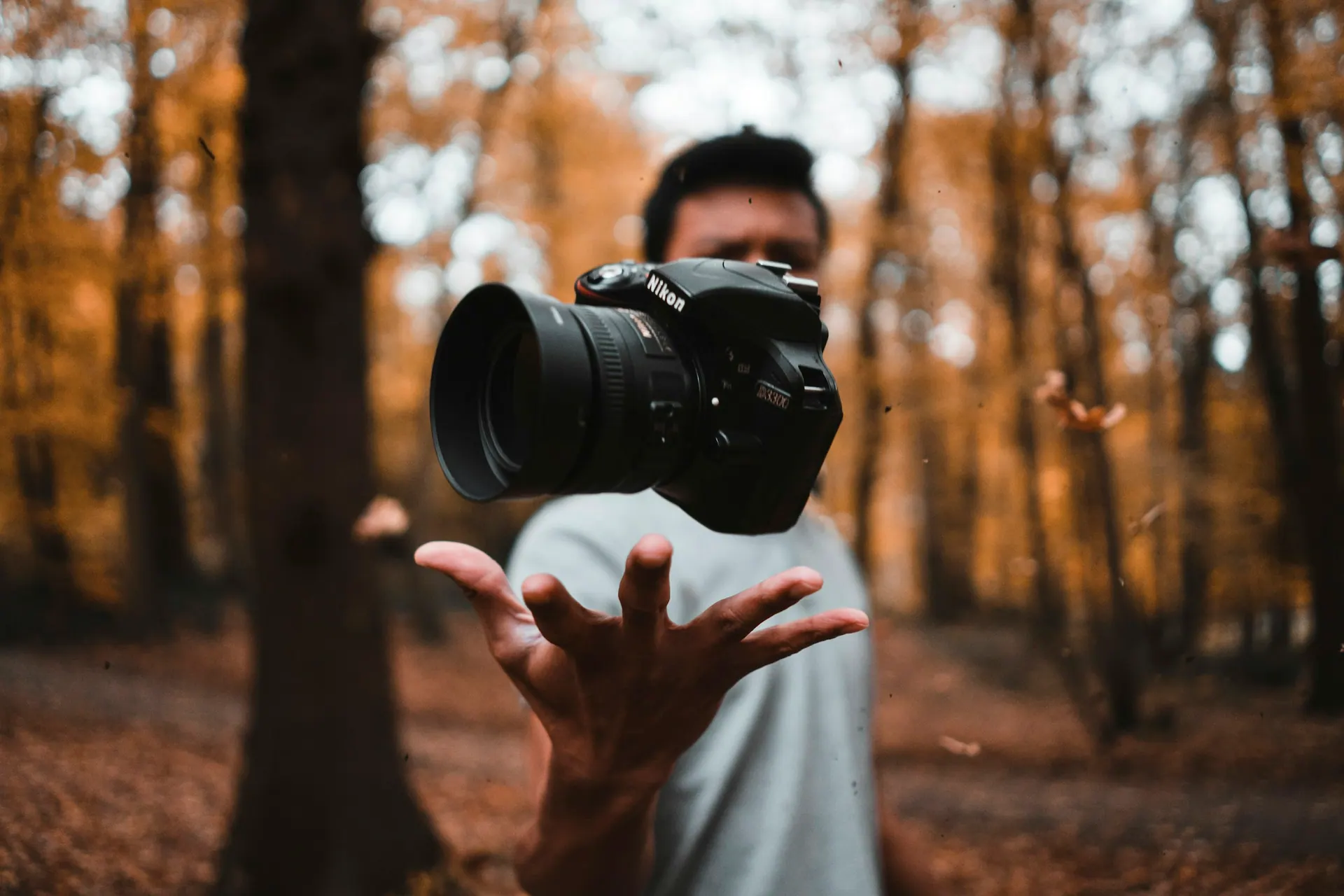
The subject changes, the process does not. Every project starts by establishing the purpose behind it, because that is what determines how it should be photographed.
Portraits and personal photography for people who need a considered image rather than a phone snapshot — for professional profiles, personal records or simply to have something good.
Sessions arranged around the people involved, including children and older relatives, with pacing that suits everyone rather than a fixed shot list imposed on the day.
Imagery for websites, recruitment, premises, internal communications and marketing, prepared to the file formats each of those destinations actually needs.
Headshots and working portraits for people who need to look credible and recognisable across a profile, a bio page and printed material.
Photography for schools, clubs, charities and community groups, planned with the consent and safeguarding requirements those settings carry.
Content that follows brand guidance on colour, tone, framing and composition, so new imagery sits alongside what already exists.
Coverage of occasions where the schedule, the venue and the guests all shape what is possible in the time available.
Item photography where condition, styling and consistent lighting across a set matter more than any single dramatic frame.
Collaborative work with artists, makers and creative practitioners, where the brief is exploratory rather than fixed.
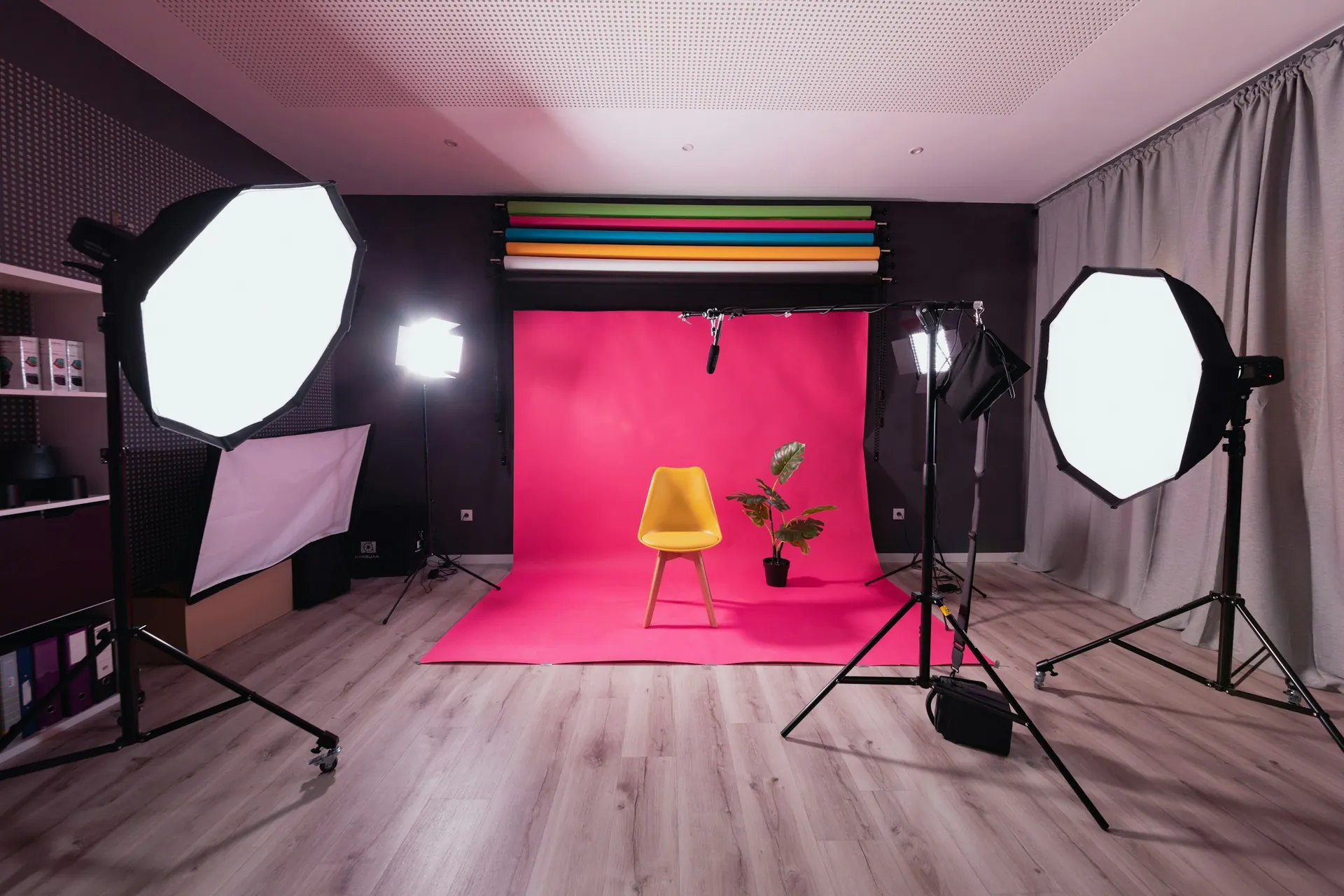
Available light is assessed first and supplemented where it needs to be. Rooms with mixed artificial light, low ceilings or heavy window contrast all change what is achievable in the time booked.
Where a shoot happens affects everything downstream — the lighting approach, the setup time, the consistency across a set and the amount of editing needed afterwards.
A photograph destined for a printed brochure, a website header and a social post is not one file. Knowing the destinations in advance means the right versions are produced the first time.
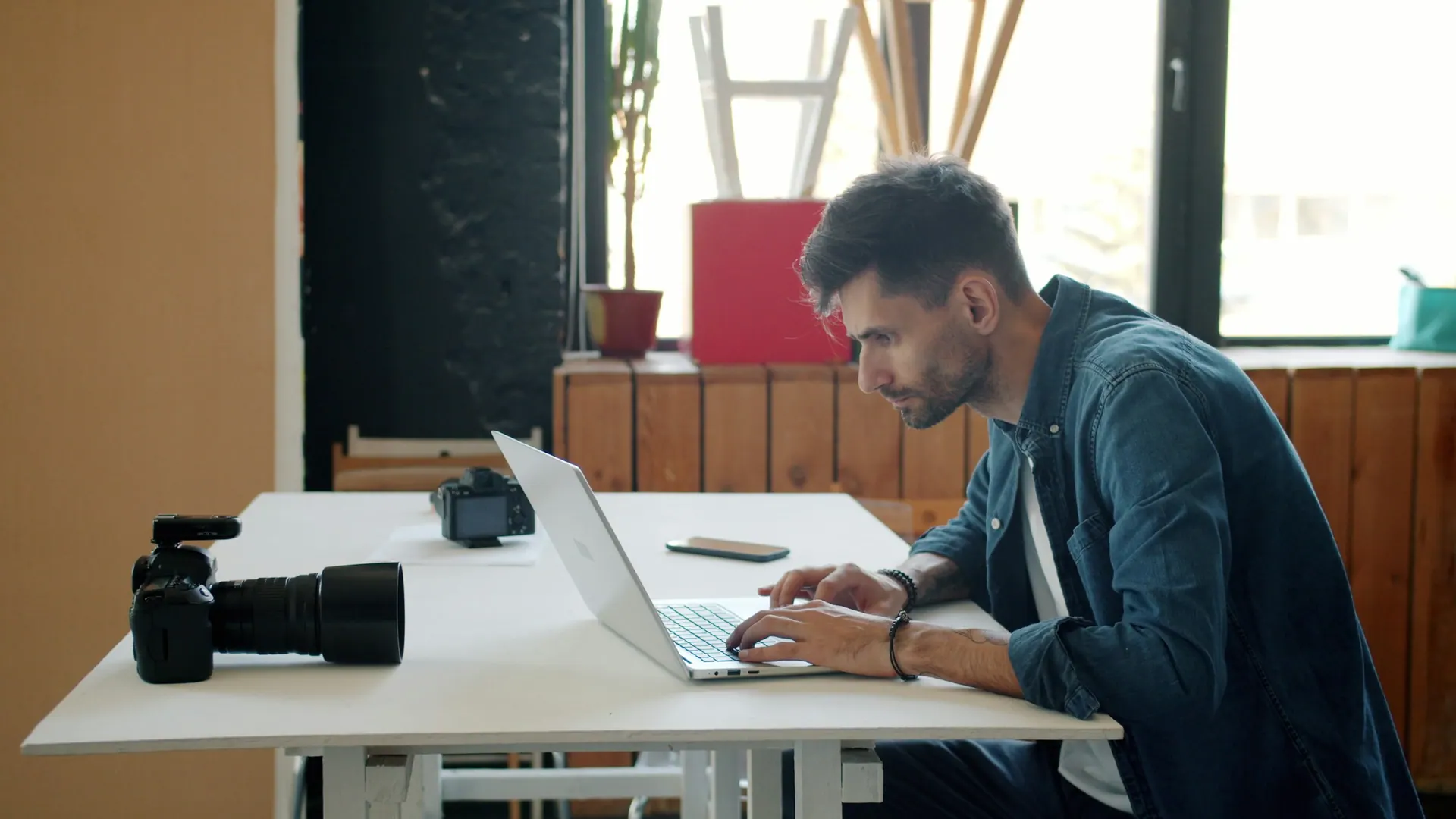
It depends entirely on what is being covered. A small number of portraits in one location is very different from photographing a full premises or a large product set. Session length is agreed as part of scope once the shot priorities and location are known.
Outdoor photography depends on conditions and weather suitability is not guaranteed. Where a project relies on outdoor light, it is worth agreeing a contingency — an alternative date, an indoor fallback or a reduced outdoor element — at the planning stage rather than on the day.
No. Copyright is not transferred automatically. Usage is licensed for the purposes agreed in the project terms, so it is important to state at enquiry stage how the images need to be used — personal, business, website, social, print, advertising or archive.
Only with the permission of whoever controls that location. Venues, employers, schools and public bodies may restrict photography, require notice or charge access fees, and those permissions need to be confirmed before the booking date.
A number is agreed as part of scope rather than promised in advance. What is realistic depends on the subject, the time booked, the conditions on the day and the level of editing involved.
Most projects use more than one service. Combining them under a single brief keeps creative direction, file preparation and usage consistent from capture through to delivery.
Portrait and lifestyle sessions planned around the people involved, the mood you want, where the session takes place and how the images will be shared, printed or framed.
Explore service Corporate & BusinessBusiness photography covering headshots, teams, premises and workplace imagery, prepared to suit websites, recruitment material, internal communications and brand guidance.
Explore service Event PhotographyEvent coverage planned around the running order, venue access, lighting conditions, permissions and the guest or client considerations that apply on the day.
Explore serviceShare the purpose, date, location and intended usage, and we will come back on what is practical, what the scope would cover and what needs to be agreed before production begins.
Enquiries are answered individually. Services are subject to agreed scope, availability and project requirements.