
Image editing
Exposure, contrast and tonal adjustment to bring a file to a usable, consistent standard across a set.
Image editing, retouching, colour correction, background adjustments, cropping, resizing, enhancement, video editing, sequencing, transitions, audio adjustment and export preparation — scoped around what the source files can actually support.
Editing • Retouching • Colour • Video • Export preparation
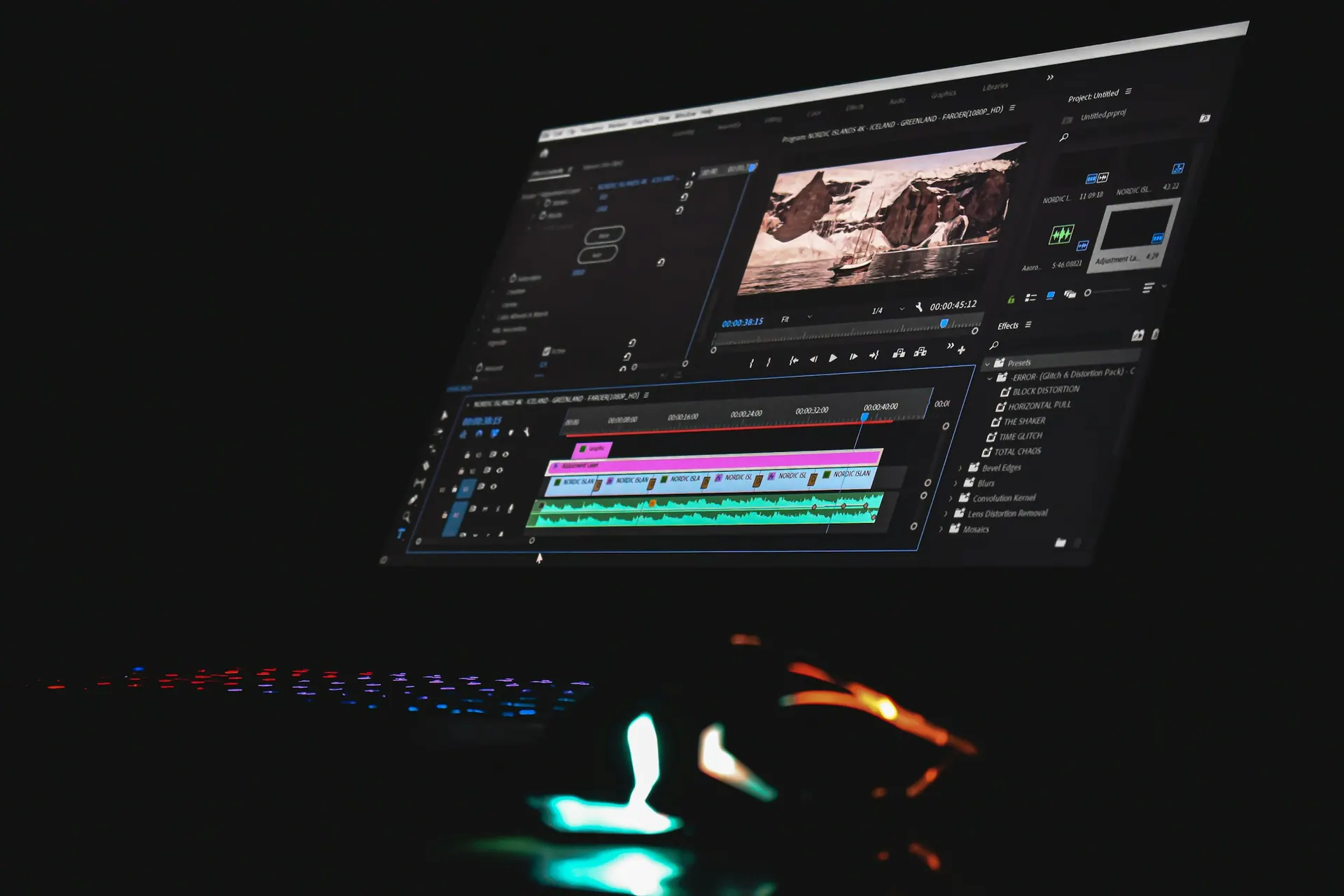
Editing is specified rather than assumed. Knowing which of these a project needs — and to what depth — is what makes a post-production quote meaningful.
Exposure, contrast and tonal adjustment to bring a file to a usable, consistent standard across a set.
Detailed work on blemishes, distractions and imperfections, carried out to the level agreed rather than applied by default.
Correcting colour casts from mixed lighting and matching colour across images shot in different conditions.
Cleaning, replacing or simplifying backgrounds where the original setting works against the subject.
Reframing for composition and producing the specific aspect ratios each destination requires.
Producing correctly sized versions for web, print and archive without introducing softness or artefacts.
Sharpening, local adjustment and selective work to lift a good file, within the limits of what the original supports.
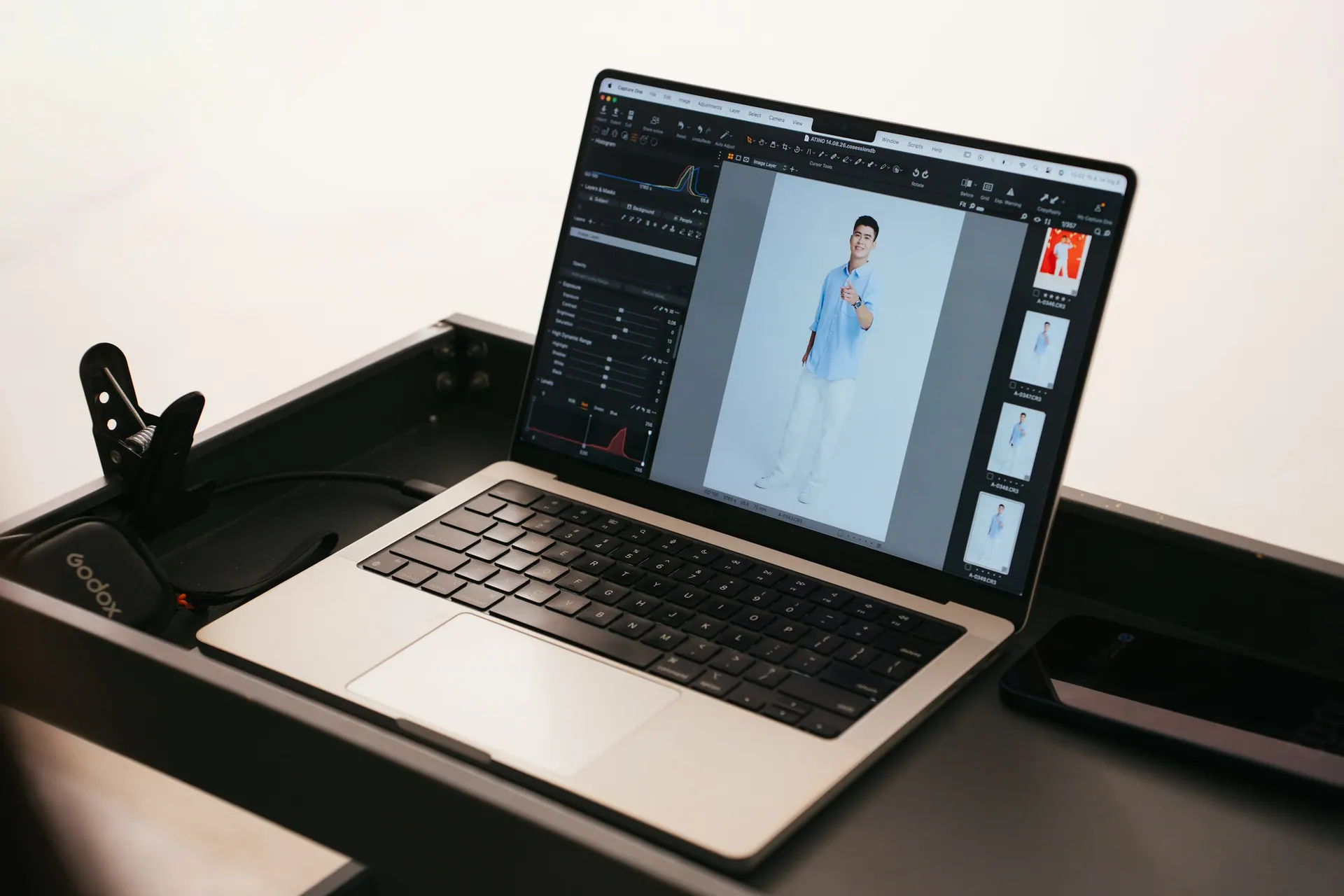
Post-production shapes and refines what exists. It does not invent detail that the sensor never captured, and being clear about that from the start avoids disappointment at delivery.
The single biggest factor in an editing result is the file it starts from. These are the things that genuinely help, and the things that place a hard ceiling on the outcome.
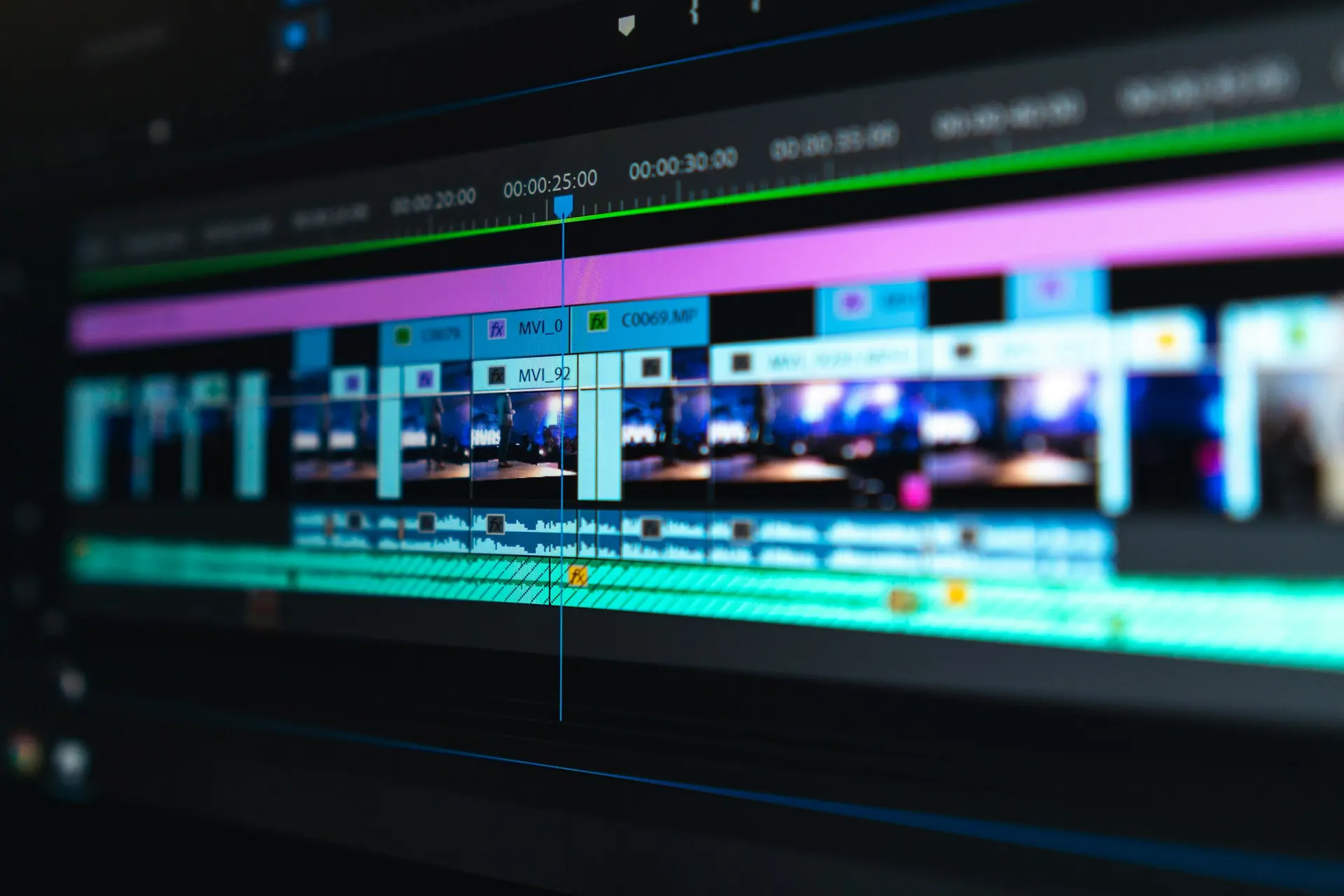
Video editing carries the same principle as image work: the edit refines what was recorded. Audio in particular can be balanced and cleaned, but not rebuilt.
Not meaningfully. Sharpening can improve the appearance of a slightly soft image, but it cannot recreate detail that the camera never recorded. Missed focus and significant motion blur are the two problems editing genuinely cannot solve.
Often, yes, subject to the source file quality and to you having the right to have them edited. Copyright in a photograph normally belongs to whoever took it, so editing work on third-party images should be covered by appropriate permission.
Most messaging platforms compress images heavily and strip resolution to save bandwidth. What arrives can be a fraction of the original file size, with detail permanently discarded. Always supply the original file from the camera or phone gallery rather than a forwarded copy.
A specific number is agreed as part of scope. Editing is open-ended by nature, so setting the number of review rounds in advance keeps both the timeline and the cost predictable.
Yes. The number of files and the level of work on each is confirmed as part of the agreed scope. Unlimited editing is not offered, because the time required scales directly with the volume and the depth of work requested.
Restoration can be attempted and often improves things considerably, but results depend entirely on the condition of the original and the quality of the scan. Full restoration of every file cannot be promised, and an honest assessment is given before work starts.
Most projects use more than one service. Combining them under a single brief keeps creative direction, file preparation and usage consistent from capture through to delivery.
Professional photography arranged around project purpose, subject matter, location, lighting and the way the finished images need to be used.
Explore service Portrait & LifestylePortrait and lifestyle sessions planned around the people involved, the mood you want, where the session takes place and how the images will be shared, printed or framed.
Explore service Corporate & BusinessBusiness photography covering headshots, teams, premises and workplace imagery, prepared to suit websites, recruitment material, internal communications and brand guidance.
Explore serviceShare the purpose, date, location and intended usage, and we will come back on what is practical, what the scope would cover and what needs to be agreed before production begins.
Enquiries are answered individually. Services are subject to agreed scope, availability and project requirements.